

Just a quick chart filled one today folks, normal service will resume later this month.
Coming up in the next few months we have articles on government attempting to pull back on taxpayer funded job creation, the catalysts for the bull run in precious metals, assessing whether or not Australia has “Mass migration” by the numbers and much more.
If you would like to become a paid subscriber to support my efforts in 2026, that would be greatly appreciated.
As the U.S air strikes and ground forces attacks continue on Venezuela, it’s worth exploring why this nation on the Northern coast of South America matters.
Oil And It’s Geopolitical Impact
First off it has the largest proven oil reserves in the world, possessing 303 billion barrels of oil, 37 billion more than the second place Saudi’s.
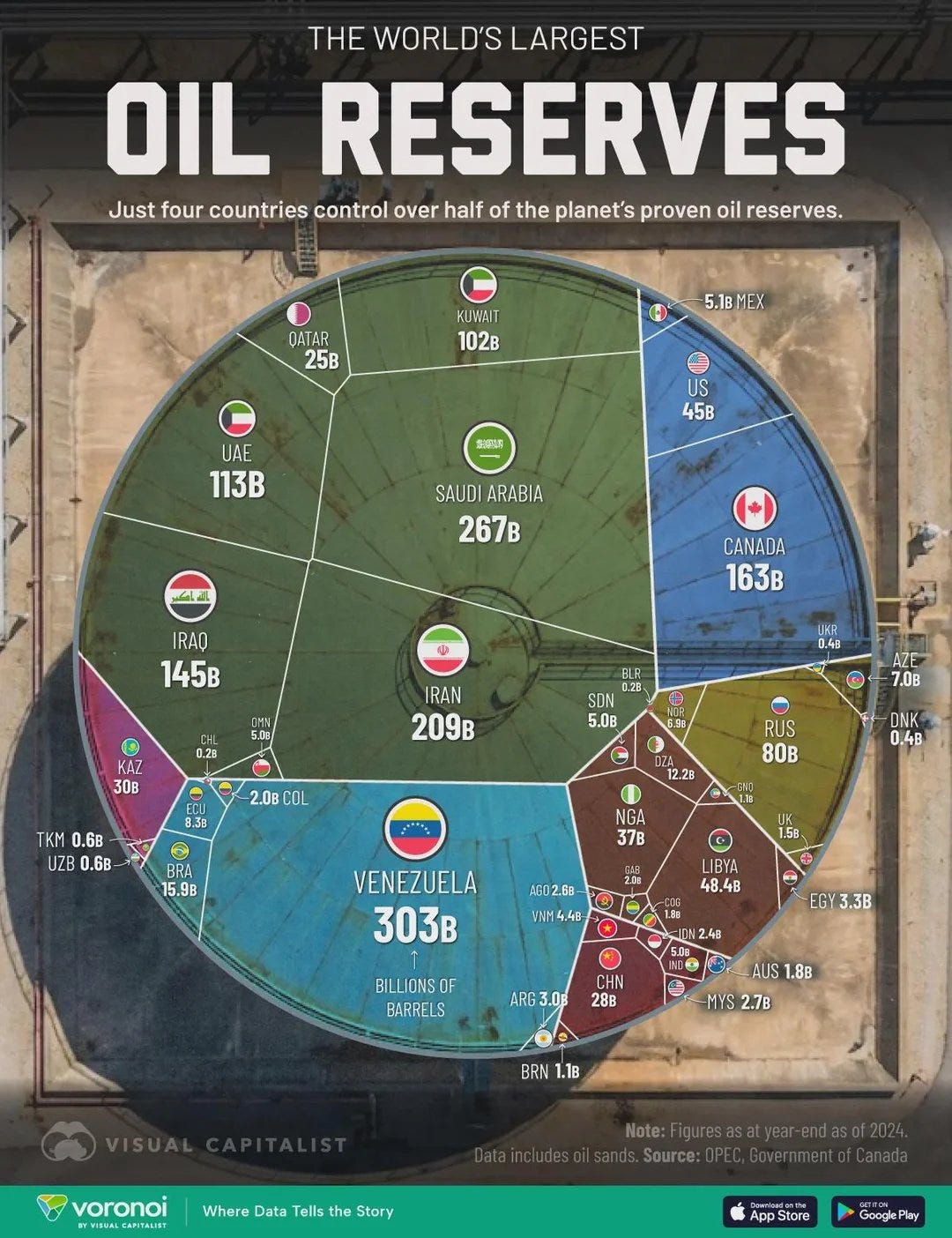
Despite this, Venezuela is only the 18th largest oil producer in the world, producing approximately 1 million barrels per day in 2024.
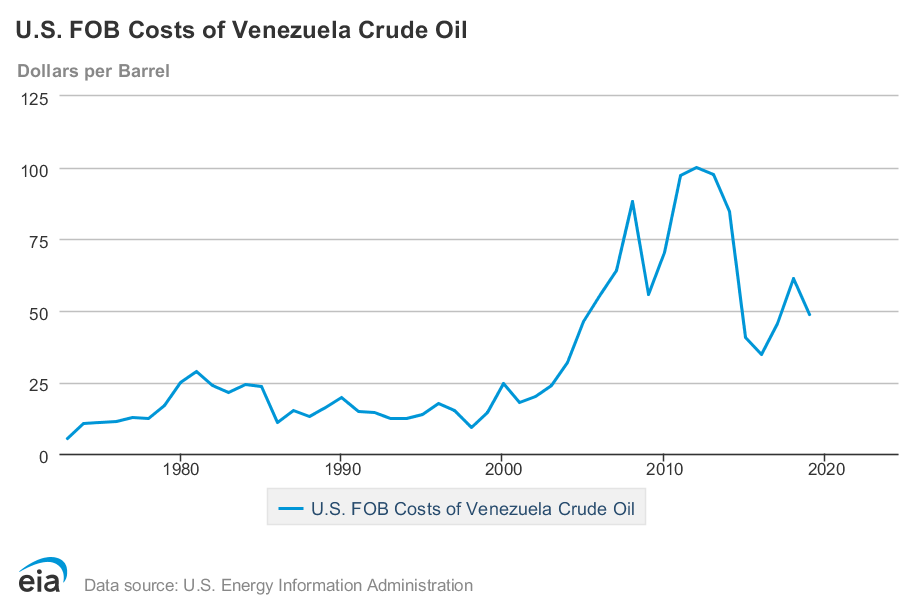
Prior to the election of socialist President Hugo Chavez in 1999, the cost price of a barrel of Venezuelan crude was just $14.33 USD per barrel.
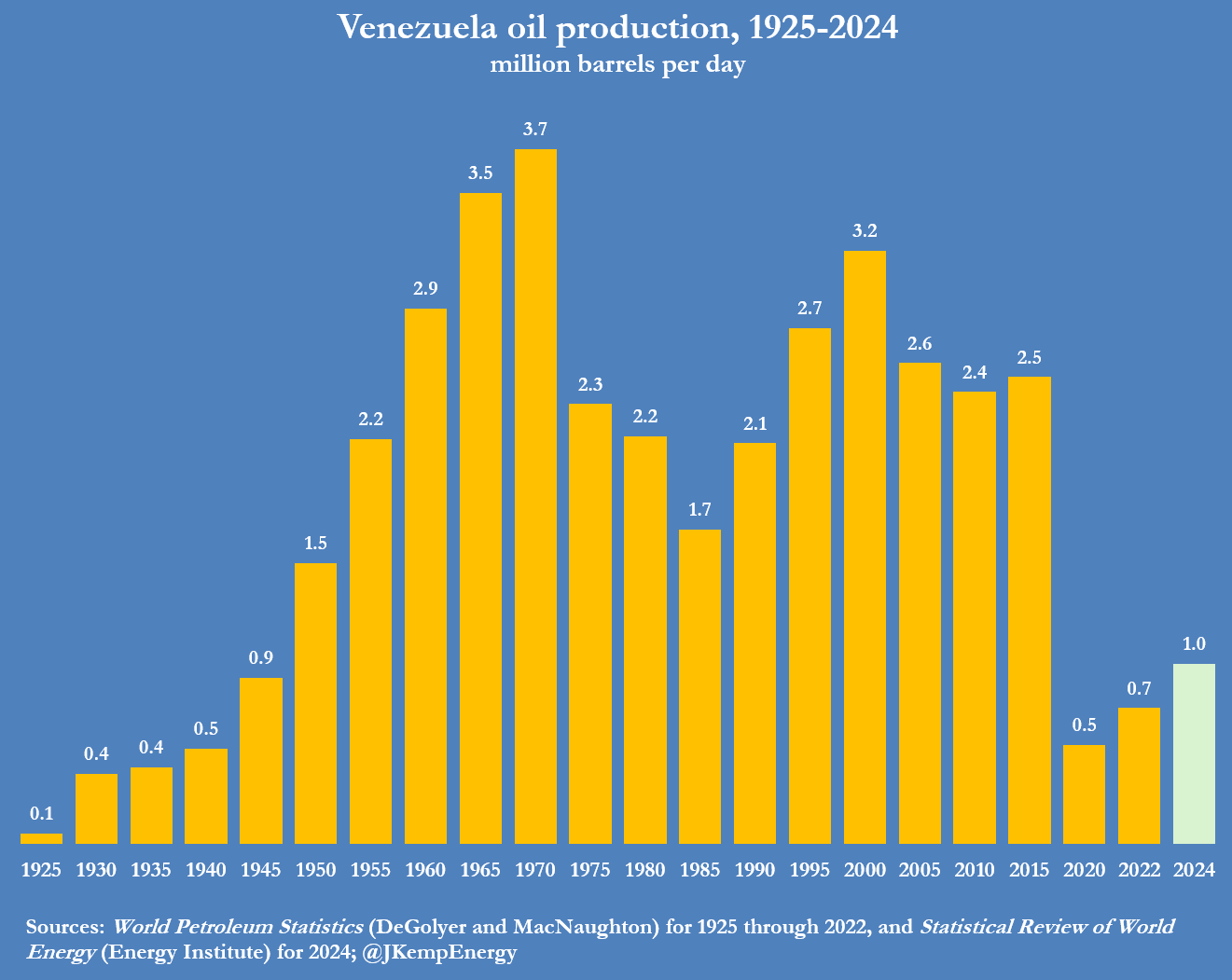
In a scenario where the government of Nicholas Maduro was removed and replaced with one more friendly to the West, it could in time have a significant impact on the balance of the global oil market if it was backed with enough capital and manpower to revitalize Venezuela’s badly damaged and mismanaged oil infrastructure.
If Venezuelan oil production could be brought back to 2000 levels of output (a very big if), it could in a vacuum place significant downward pressure on global prices.
It could in time also give the United States and European allies an additional card to play in it’s dealings with Moscow.
With flows of Russian gas to Europe thoroughly decimated, the Kremlin is arguably more reliant on oil to fund the government and it’s war machine than ever.
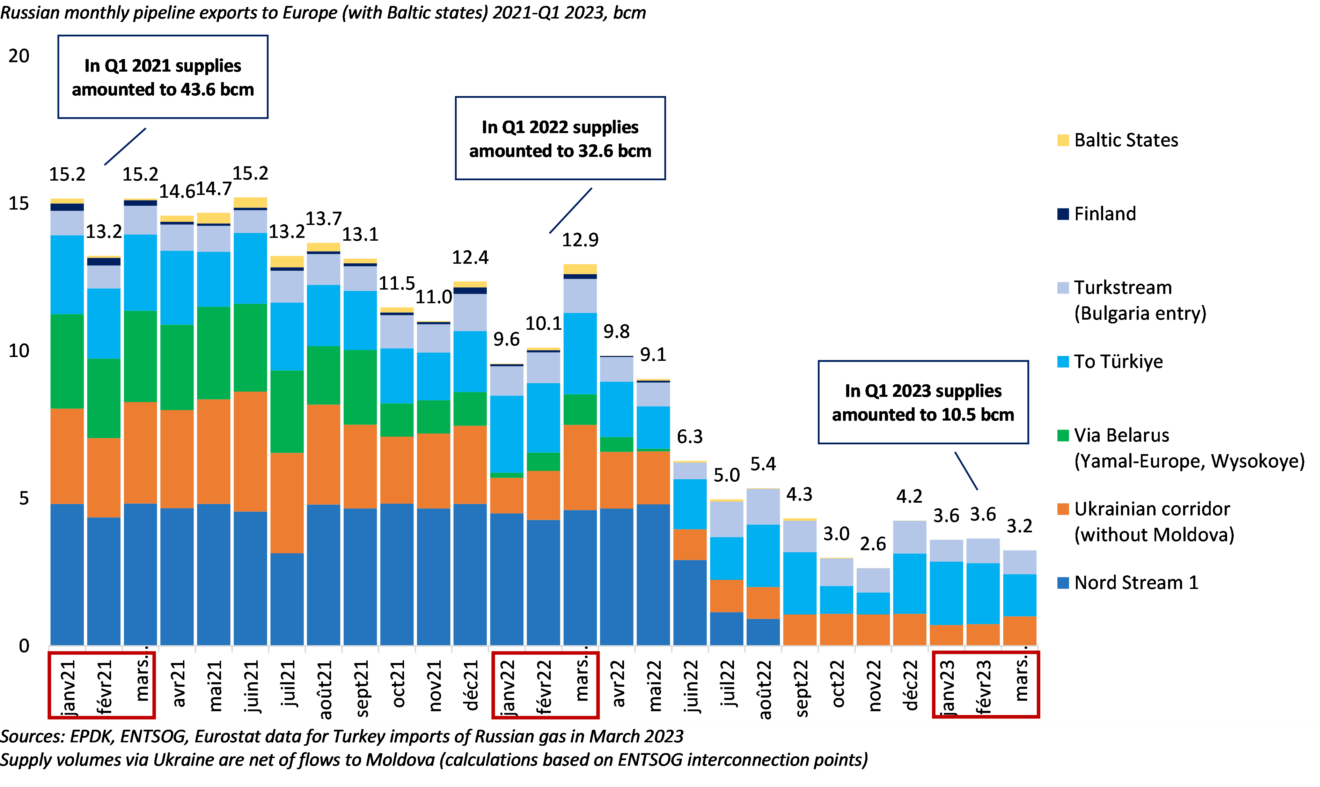
Anything that keeps downward pressure on oil prices and keeps them relatively contained in the current price range would be deeply problematic for Moscow.
It could also theoretically contribute to giving the Ukrainians a green light to interrupt or even destroy some Russian oil export infrastructure.
So far strikes on Russian energy infrastructure have been limited to refineries and other targets vital to Russia’s domestic petroleum industry, not on Russia’s oil export infrastructure to the rest of the world.
Monroe Doctrine
Despite Venezuela existing at least somewhat in both Russia and China’s sphere of influence, this has been tolerated by the United States for decades in direct contravention of the Monroe Doctrine.
The Monroe Doctrine has its origin in 1823 and is named after it’s creator U.S President James Monroe.
In short, it was the U.S foreign policy that European powers should not interfere in the Americas.
In the post-Cold War era, which was heavily defined by ideas of American exceptionalism and the so called ‘End Of History’, Russia, Iran and China were allowed to gain a degree of influence in Venezuela that any other U.S administration that came after Monroe likely would have vehemently opposed.
Despite the likely unpopular nature of American strikes on Venezuela in at least some quarters, what are we seeing is arguably just the resumption of established American foreign policy in the Americas.
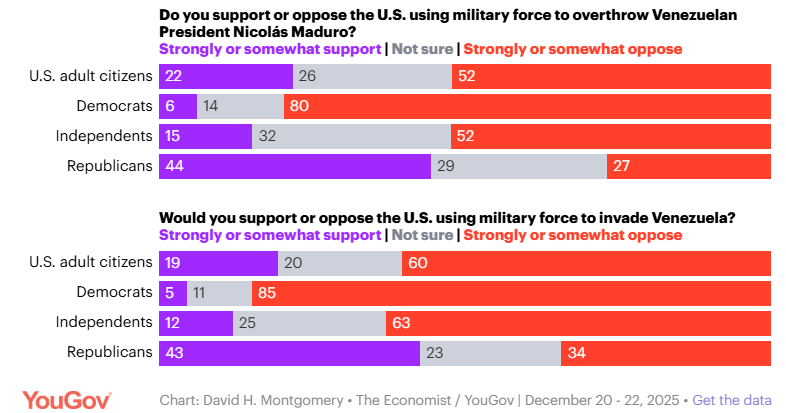
This is no doubt going to be debated in Washington and by an endless parade of talking heads on cable TV news programs, but one thing is clear, this is hardly breaking new ground for U.S foreign policy in the Americas.
The Takeaway
At the time of this articles writing, there is a lot we don’t know about how events are unfolding in Venezuela.
As a result, there is any number of scenarios that could play out from here, of which we have explored elements of a handful in passing.
What is more clear is that this is a message, that America is reasserting itself based on a much more 19th century-esque ideas of foreign policy.
Claims of a “Rule based international order” were always a soundbite that didn’t live up to it’s promises when confronted with more challenging geopolitical scenarios, but this has effectively removed the velvet glove from the iron fist.
Historically military actions have been one of the relatively few things that most Republicans and Democrats could agree on.
That may still be the case and this could be the beginning of a shift of a more aggressive foreign policy in Washington, regardless who wins the White House in 2028.
Or it could be the beginning of a historic schism over U.S foreign policy and the usage of American military might.
2026 was always going to be an interesting years and less than 72 hours in, it has already lived up to that in spades.
— If you would like to help support my work by making a one off donation that would be much appreciated, you can do so via Paypal here or via Buy me a coffee.

If you would like to support my work on an ongoing basis, you can do so by subscribing to my Substack or via Paypal here
Thank you for your readership.